Description
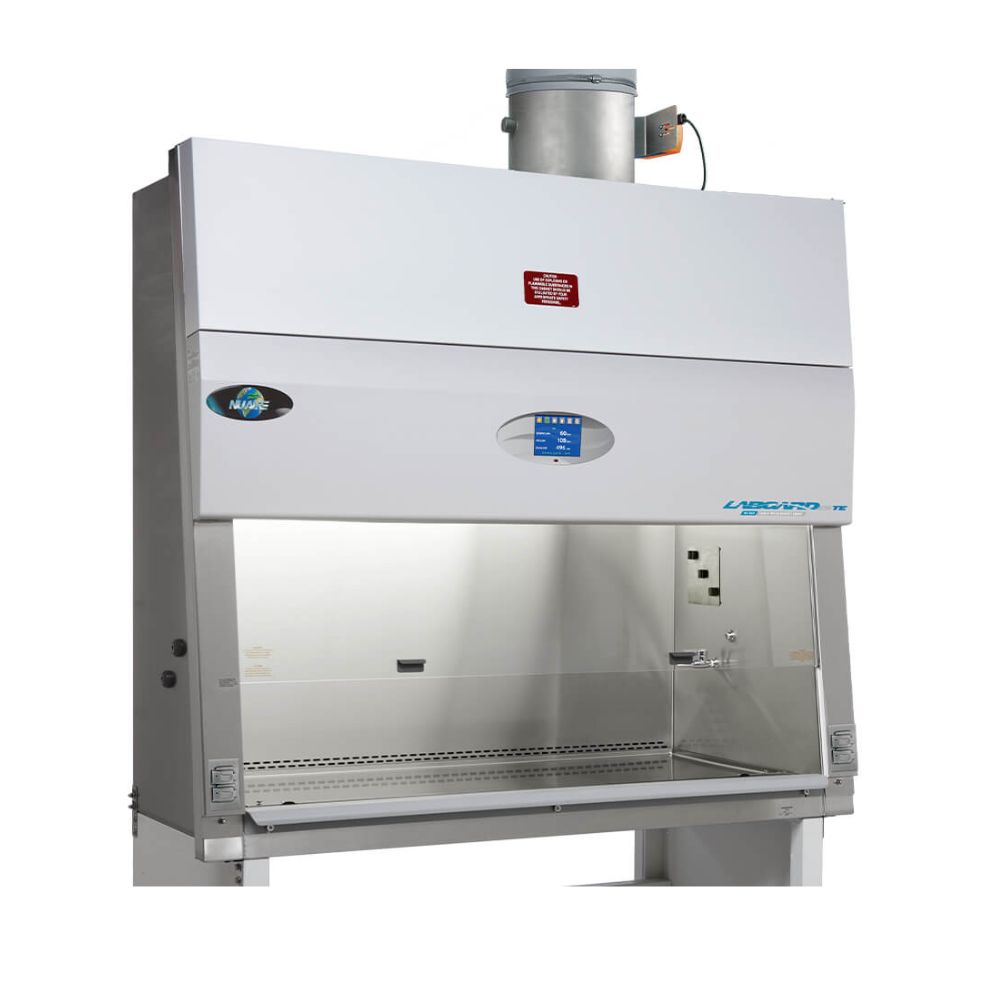
Safety cabinets are specialized storage units designed to safely store hazardous materials, such as flammable liquids, corrosive chemicals, toxic substances, and combustible solids. They are essential in laboratories, industrial facilities, manufacturing plants, and workshops where dangerous chemicals are used or stored.
Purpose:
The main goal of a safety cabinet is to reduce the risk of fire, chemical spills, and exposure to harmful substances, protecting personnel, property, and the environment. They also help organizations comply with regulatory standards for chemical storage.
Key Features:
-
Fire Resistance: Many safety cabinets are made of double-walled steel with insulating layers to resist fire for a specified time.
-
Spill Containment: Equipped with built-in sump trays to catch leaks or spills.
-
Ventilation: Some cabinets have venting options to reduce hazardous fumes.
-
Labeling & Color Coding: Often bright yellow or red with clear hazard labels for easy identification.
-
Locking Mechanism: To restrict access to authorized personnel only.
Types of Safety Cabinets:
-
Flammable Liquid Cabinets: For solvents and flammable chemicals.
-
Corrosive Cabinets: For acids, bases, and reactive chemicals.
-
Toxic or Hazardous Material Cabinets: For poisons or controlled substances.