


A cable tray system supports and protects both power and signal cables and facilitates upgrading, expanding, reconfiguring or relocating networks. It is used to support insulated electrical cables used for power distribution, control and communication.
Cable trays are a smart choice instead of open wiring or electrical conduit systems and they’re often used in buildings for managing cables. Most of the cable tray systems are open, allowing efficient heat dissipation. Cable trays are capable of supporting all types of wiring, such as High Voltage Power Lines, Power Distribution Cables, Control cables, Telecommunication cables and Fiber Optical Cables. They have different types based on their design and material of construction.
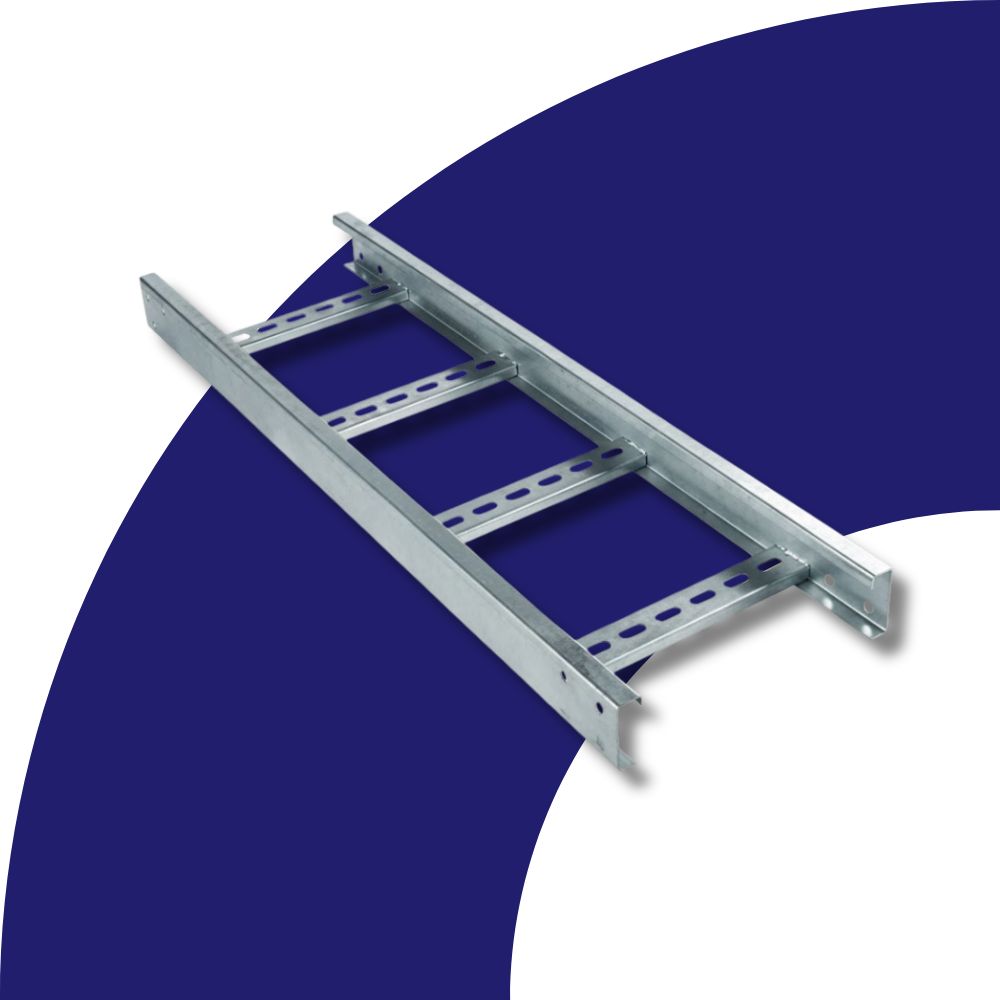
A ladder cable tray features two side rails connected by rungs, providing easy access to cables from both the top and bottom. This design makes cable installation, organization, and maintenance much more efficient. Our ladder trays are lightweight and available in a wide range of sizes, from 100 mm to 1200 mm in width, to suit various cable management needs.
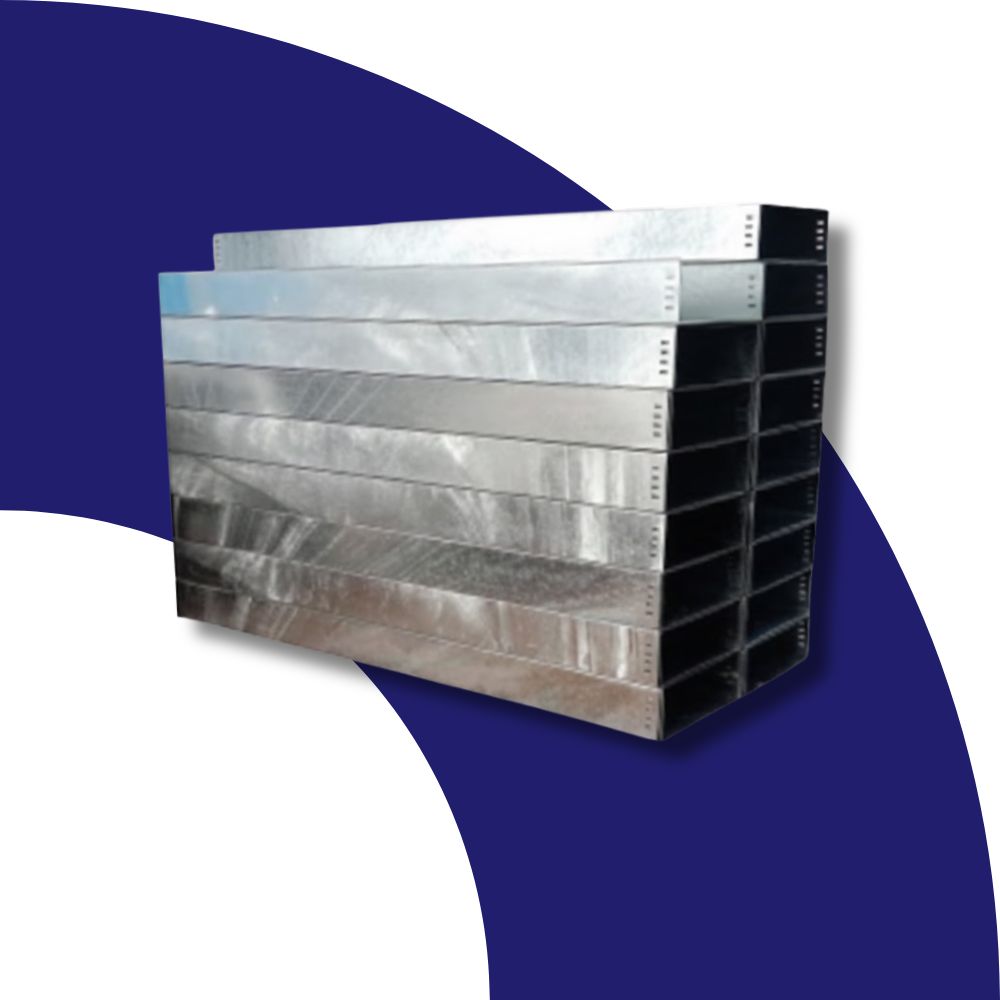
Solid-bottom cable trays are ideal for fiber optic cable installations, where even slight cable drooping can affect system performance. These non-ventilated trays offer enhanced protection against electromagnetic and radio-frequency interference, helping maintain the integrity and reliability of the entire system.
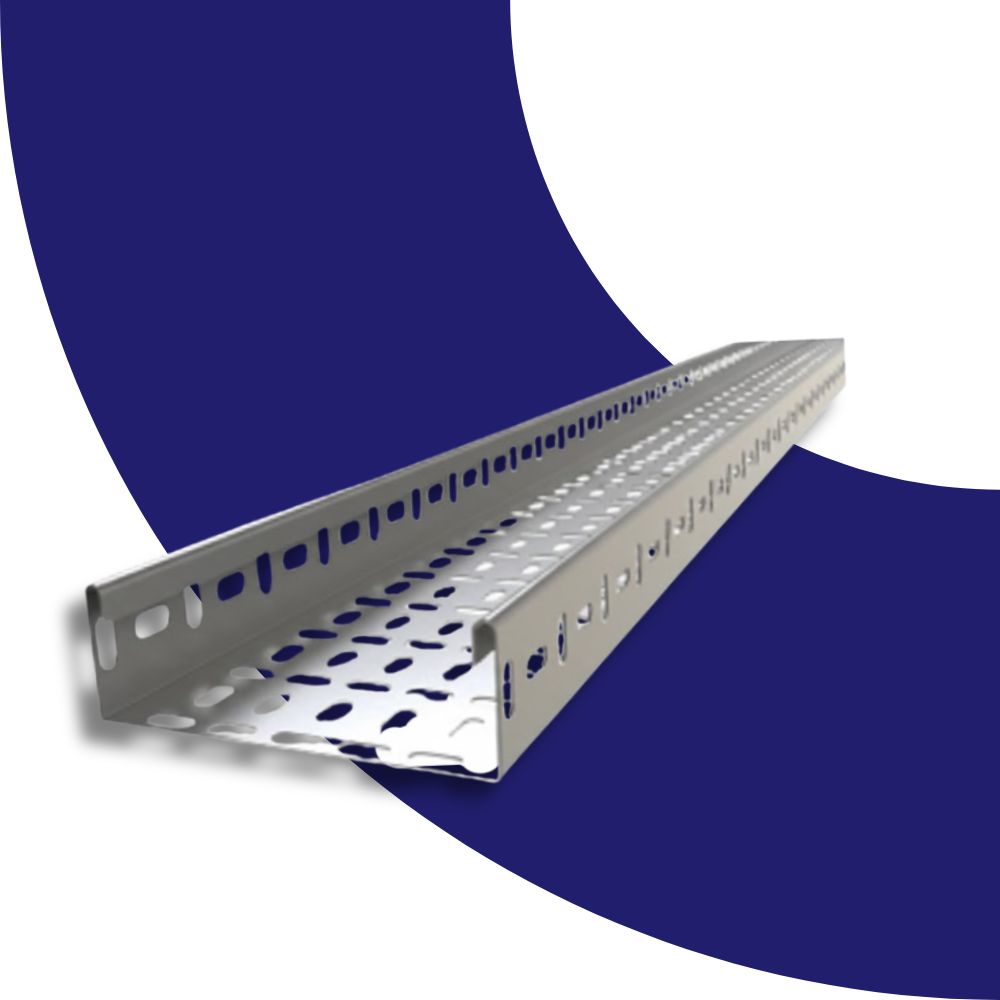
Perforated cable tray features holes along the bottom and side rails to enhance ventilation. It provides stronger and more continuous support for cables compared to ladder-type trays.
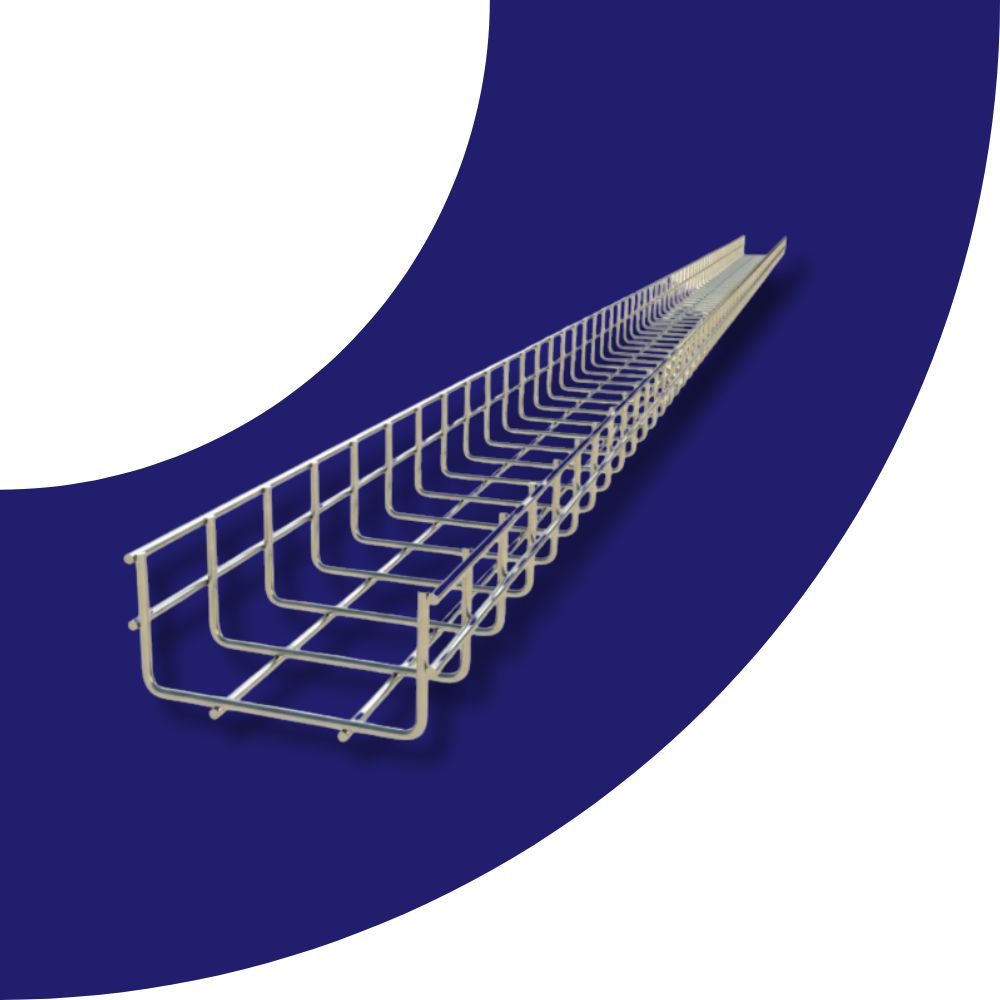
A Wire mesh cable tray is constructed from stainless steel wires welded together to form a basket-like structure. It is primarily used for low-voltage, telecommunication, and fiber optic cables, especially in installations with shorter support spans.